Free tool
Powerlifting attempt calculator
Enter your best squat, bench and deadlift. See all nine attempts, your total and when to take each warm-up.
Evidence-checkedEdited by Chris Mann Dip.IOPNHow we check thisClose
Every figure and rating this tool shows comes from one set of tested rules, the same ones used across the Hub and our AI tools, with the method and sources named on the page.
Advertising never decides what we write or recommend. If something is wrong, we correct it and record the change.
Short answer: Most coaches open at about 90–92% of a lifter's best and take the second at about 95–97%, leaving the third for a personal best. Openers should feel easy on a bad day. Attempts go up in 2.5 kg steps, with at least 2.5 kg between attempts.
Coach Matt Gary's usual ranges: opener 90–92%, second 95–97%. The third is your call on the day.
Your attempts
| Lift | Opener | Second | Third |
|---|---|---|---|
| Squat | 180 kg90% | 190 kg95% | 200 kg100% |
| Bench press | 125 kg89.3% | 132.5 kg94.6% | 140 kg100% |
| Deadlift | 217.5 kg90.6% | 230 kg95.8% | 240 kg100% |
- Opener total
- 522.5 kg
- 72.3 GL
- Second total
- 552.5 kg
- 76.5 GL
- Third total
- 580 kg
- 80.3 GL · 391.6 DOTS
Rounded down to 2.5 kg, the IPF's loading step, with at least 2.5 kg between attempts.
Warm-up room countdown
- 20 kg (11% of opener)16 attempts out · ~16 min
- 70 kg (40% of opener)13 attempts out · ~13 min
- 97.5 kg (55% of opener)10 attempts out · ~10 min
- 125 kg (70% of opener)7 attempts out · ~7 min
- 152.5 kg (85% of opener)4 attempts out · ~4 min
- Opener 180 kgOn the platform
Warm-up steps are the same ramp as the barbell warm-up calculator. The spacing is your choice; the IPF gives each lifter one minute to start once called, so one minute per attempt is a sensible default.
580 kg planned total
Squat 180 kg / 190 kg / 200 kg. Bench press 125 kg / 132.5 kg / 140 kg. Deadlift 217.5 kg / 230 kg / 240 kg
A plan, not a promise: change attempts on the day from how the opener and second moved. Federation rules on loading and attempt changes take priority.
How to pick powerlifting attempts
Work back from what you can lift on the day, not from the total you hope for. Coach Matt Gary's usual pattern is an opener of about 90–92% of your best, a second of about 95–97%, and a third chosen from how the second moved. A good opener is a weight you could triple on a bad day.
Your "best" should be recent: a competition lift, or a heavy single or estimate from the last training block. If you are not sure, work it out with the 1RM calculator first.
Opener, second and third attempt percentages
- Opener: about 90–92%. It gets you in the meet and warms you up for heavier lifts.
- Second: about 95–97%. Often a small personal best for newer lifters, or a solid single for experienced ones.
- Third: 100% or more if the second moved well; the same as your best, or less, if it was slow.
Attempts must rise by at least 2.5 kg in IPF meets, and bars are loaded in 2.5 kg steps. Compare totals across bodyweights with IPF GL points or DOTS.
How to time warm-ups at a powerlifting meet
Count attempts, not minutes. Find your place in the flight, multiply the lifters ahead of you by about a minute each, and work back so your last warm-up finishes a few attempts before you are called. The countdown in the calculator does this for you, using the same steps as the barbell warm-up calculator.
For the deadlift and bench, warm up during the previous lift's last attempts if your flight is small. Load each warm-up quickly with the plate calculator.
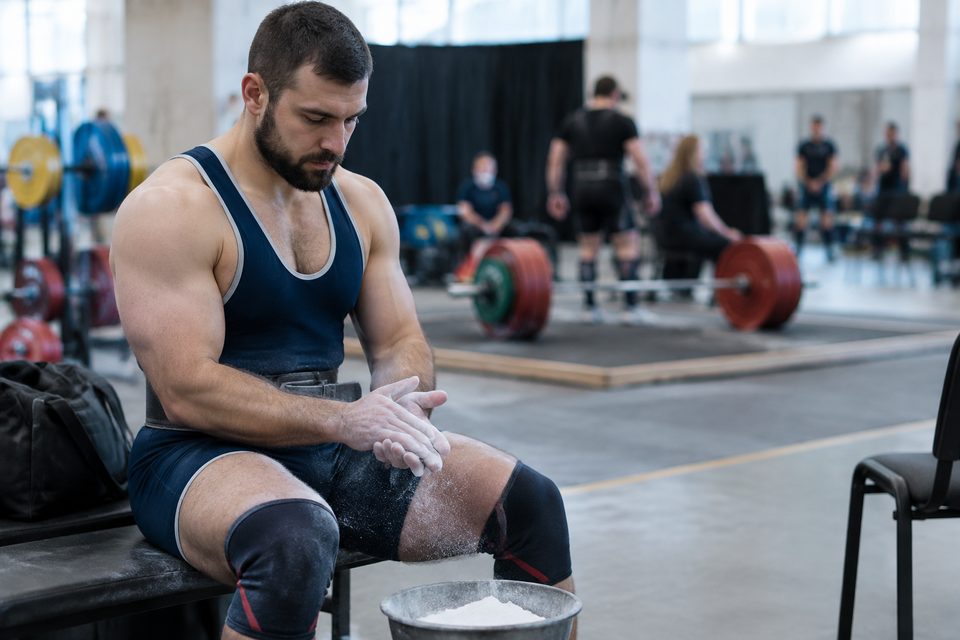
How the calculation works
Each attempt is your best lift times the percentage you choose, rounded down to the IPF's 2.5 kg loading step, with at least 2.5 kg between attempts. Defaults follow coach Matt Gary's usual ranges: opener about 90–92%, second about 95–97%. Totals are scored with the site's IPF GL and DOTS formulas. The warm-up countdown uses the barbell warm-up calculator's ramp and places each set a number of attempts before your opener, at the pace you set.
Worked example
A lifter with a 200 kg squat, 140 kg bench and 240 kg deadlift at 91/96/100% opens at 180 kg, 125 kg, 217.5 kg, for an opening total of 522.5 kg and a planned total of 580 kg.
What the result cannot tell you
Percentages are coaching conventions, not research thresholds. Your best must be recent and realistic: a gym max set months ago can make every attempt too heavy. Change seconds and thirds on the day from how the bar moved.
Questions about meet attempts
What should my opener be?
A weight you could triple on a bad day: about 90–92% of your best for most lifters. A missed opener can end your meet.
How big should the jump to my second be?
Usually 4–6% of your best, so the second lands about 95–97%. Lighter lifters often use smaller kilo jumps.
When should I take my last warm-up?
Most lifters finish a few attempts before they are called, so they are warm but not waiting long. Set the number in the countdown.
Does the calculator work in pounds?
Yes. Switch to lb; attempts are still rounded on the kilo plates used at IPF meets.
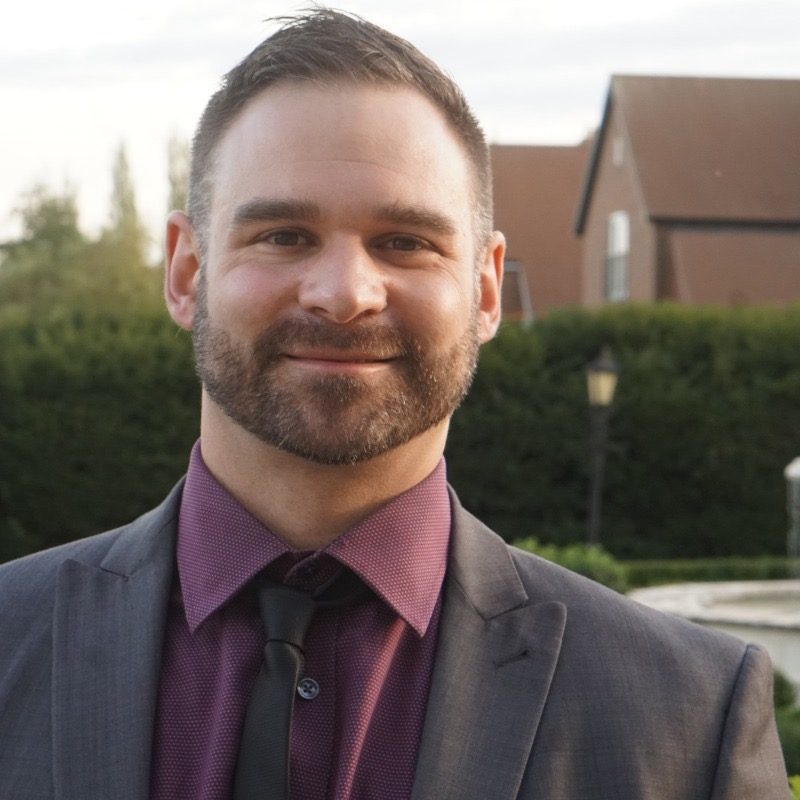
Chris Mann Dip.IOPN is a sports nutritionist, qualified personal trainer and founder of The Muscle & Strength Hub, with six years of experience helping people build muscle, develop strength and improve their nutrition.
- Dip.IOPN
- PN Level 1
- Level 4 Nutrition
- Level 3 PT
Certificates and full profileEditorial independenceCorrections
Share this calculator
Was this tool helpful?
Educational information for adults aged 18 and over. It does not diagnose, treat or manage any medical condition. If you have a health condition, or symptoms that worry you, speak to your doctor or a health professional.